
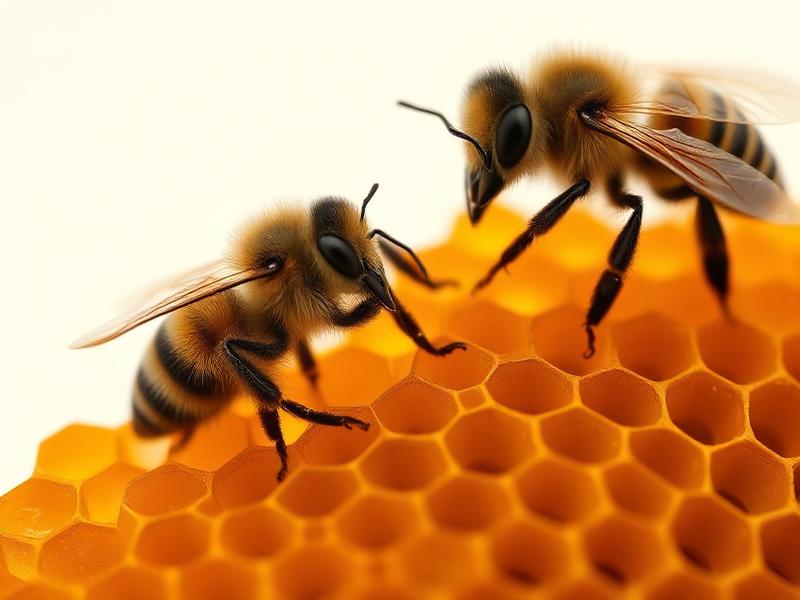
Corporate Beehive Installation: The Complete Guide for Businesses
Corporate beehive installation brings a living, seasonal project into the workplace. For businesses, it can create opportunities to learn about pollinators, connect colleagues with their local environment and share honey with a clear connection to their site. A successful project, however, starts well before the hive arrives. It requires a suitable location, professional colony management, clear responsibilities and communication that accurately explains what keeping honey bees can—and cannot—achieve.
Founded in Angers in 2010, Apiterra moved to 19 rue Saint-Just in Montreuil in 2015. It works across France, Belgium, Luxembourg and Switzerland, with more than 250 clients, more than 1,000 hives and a presence in more than 250 cities. This guide explains how to assess a beehive for companies, organise installation and ongoing care, involve employees and choose an alternative when your premises cannot accommodate an apiary.
1. Define the Purpose of Your Corporate Beehive Project
Start with a clear business objective
Before you install a beehive at work, identify what the project should contribute. Your priority might be employee education, a more engaging workplace, environmental awareness or a tangible link between your premises and the surrounding landscape. These objectives can overlap, but choosing a primary purpose helps shape the location, communication and activities. It also prevents the hive from becoming a decorative installation that attracts attention at launch and receives little meaningful engagement afterwards.
Connect the project with the right teams
Facilities, human resources, communications and sustainability teams often have different questions. Facilities needs to understand access and operational constraints; HR considers employee participation; communications plans appropriate messaging; sustainability colleagues assess how the project fits wider environmental priorities. Appointing an internal coordinator gives these stakeholders a shared point of contact. That person does not need to become a beekeeper: their role is to coordinate site information, agree practical arrangements and circulate updates from the professional team.
Set realistic measures of success
Useful measures include participation in activities, employee understanding of pollinators, completion of agreed site improvements and engagement with seasonal updates. Honey production can form part of the story, but should not be the only measure. Colonies are living systems, and their development depends on weather, forage and health. Avoid defining success solely by jar numbers or describing a hive as proof of an overall biodiversity gain. A credible programme values learning, responsible management and the quality of its long-term delivery.
2. Understand What a Workplace Hive Can Contribute
Learn how a honey bee colony functions
A honey bee colony operates as a coordinated community. The queen lays eggs, workers perform tasks including brood care and foraging, and drones have a reproductive role. Workers collect nectar and pollen from flowering plants, while the colony also needs water. Its activity changes with the season rather than following the business calendar. Understanding this biology helps employees interpret what they see and explains why professional inspections, feeding decisions and harvesting must follow colony needs rather than promotional deadlines.
Distinguish honey bees from wider pollinator diversity
Managed honey bees are only one part of the pollinator community. Wild bees, hoverflies, butterflies and other insects also contribute to pollination, often with different habitat requirements. Installing a managed colony does not automatically restore those habitats or protect every pollinator species. In some settings, limited floral resources and existing hive density require particular attention. Responsible corporate beehive installation therefore considers the surrounding environment rather than assuming that adding more colonies is always beneficial.
Support the project with habitat improvements
Where businesses control outdoor space, they can consider complementary measures such as flowering plants suited to local conditions, a longer flowering season and less intensive management of selected areas. Appropriate pesticide reduction and the preservation of nesting habitats can also support wider wildlife. These measures should reflect the site’s practical constraints and ecological context. The strongest message is not simply that your company hosts bees, but that it is learning to manage its outdoor environment more thoughtfully.
3. Assess Whether Your Premises Are Suitable
Evaluate the location with a professional
Apiterra’s turnkey approach begins with an on-site feasibility study carried out with the client. This is the opportunity to examine the proposed position, understand normal site operations and identify constraints before committing to installation. A courtyard, landscaped area or roof may look suitable in photographs but present difficulties in practice. The assessment should consider both the colony’s needs and the people who use the premises, including staff, visitors, contractors and neighbouring occupiers.
Consider sunlight, wind, forage and water
A suitable position balances exposure to sunlight with protection from excessive heat and strong prevailing winds. Nearby flowering resources matter, although bees forage beyond the property boundary and conditions vary throughout the year. Access to an appropriate water source is another consideration: without one, bees may visit less convenient locations. Drainage, vegetation growth and the stability of the ground also deserve attention. A sheltered-looking corner is not necessarily suitable if it becomes waterlogged or difficult to reach.
Review flight paths and neighbouring uses
Hive entrances and likely flight routes should be considered alongside pedestrian passages, seating areas, doors, loading zones and maintenance routes. Positioning or suitable screening may help direct initial flight above nearby circulation areas, subject to professional assessment. The review should also consider adjoining properties and future changes to the site. An area that is quiet today may become an outdoor meeting space next summer, so planned works and changes of use belong in the feasibility discussion.
4. Prepare the Site for Installation and Regular Access
Check rooftop constraints before choosing a roof
A roof can offer separation from everyday workplace activity, but it is not automatically the best location. The building’s responsible technical professionals should confirm structural suitability, including the relevant loads associated with hives, equipment and people. Waterproofing, edge protection, access restrictions and safe working arrangements also require review. A green roof or unused terrace should never be treated as installation-ready simply because space is available. Roof suitability is a building-specific question, not a general promise.
Plan access for people and equipment
Regular beekeeping visits require dependable access, including during periods when the site operates with reduced staffing. Discuss security procedures, reception arrangements, keys or escorts, and any restrictions on movement through occupied areas. Equipment and harvested frames must also be moved safely. Stairs, narrow routes and access hatches can affect practical handling. Resolving these details early helps prevent missed access, unnecessary disruption and last-minute decisions that would otherwise fall to reception or facilities staff.
Agree a practical installation plan
Once the site is considered suitable, agree where the hives will stand, how the area will be identified and which internal teams need advance notice. Installation timing should take account of seasonal conditions and operational requirements rather than a fixed launch date alone. Inform relevant groundskeeping and maintenance contractors so that routine work does not interfere with the apiary. A simple site plan and clear contact arrangements help turn a biological project into a manageable part of everyday facilities operations.
5. Make Safety and Reassurance Part of the Project
Be reassuring without promising zero risk
Honey bees generally focus on foraging and colony activity rather than people passing at an appropriate distance. Nevertheless, no responsible provider can guarantee zero risk: bees can sting, and severe allergic reactions are possible. Reassurance should come from careful positioning, professional management, controlled access and clear instructions—not from claiming that incidents are impossible. Explaining these measures openly is more credible than dismissing employee concerns and helps colleagues understand how the workplace and apiary can coexist.
Set clear rules for employees and visitors
Employees should know that observing the apiary does not mean approaching entrances, opening hives or handling equipment independently. Signage and internal communication can explain the designated boundaries and identify the person to contact with questions. Visitor-facing sites may need information for reception and hospitality teams as well. Any organised close-up activity should follow the beekeeper’s instructions and the precautions appropriate to that activity. Participation should remain comfortable and voluntary, especially for people who are anxious around insects.
Include allergies and incident response in planning
The company’s usual workplace health and emergency procedures should account for the presence of bees. Discuss the project with the appropriate internal health and safety contacts, including how employees can raise allergy-related concerns confidentially. Staff should know how to report unusual bee activity and how to obtain emergency assistance if someone has a serious reaction. An employee’s individual medical needs should be addressed with qualified healthcare advice; a communication campaign or beekeeper briefing is not a substitute for that assessment.
6. Clarify Legal, Administrative and Insurance Arrangements
Understand Apiterra’s administrative scope
Apiterra’s turnkey solution takes on the apiary’s legal and administrative obligations, including insurance, maintenance of the apiary health record, declaration to the DDPP—the French veterinary authority—and apiary signage. This relieves the company of managing those beekeeping obligations itself. The service agreement should clearly describe the scope and allocation of responsibilities. It should not be read as removing every duty that may independently apply to an employer, building owner or site operator.
Apply the requirements of the host country
Apiterra operates in France, Belgium, Luxembourg and Switzerland. Administrative arrangements must reflect the country and location of the installation. References to the DDPP concern France; in Belgium, Luxembourg and Switzerland, the relevant local veterinary or administrative equivalents must be considered instead. Do not assume that a procedure used at one office can simply be copied across an international property portfolio. Local requirements, site permissions and the agreed service scope should be confirmed for each proposed apiary.
Keep ownership and site permissions clear
Even with outsourced apiary administration, a business needs authority to use the proposed space. Depending on the premises, this may involve the property owner, building manager or other relevant stakeholders. Internal approval should cover access, any rooftop restrictions, signage and planned employee activities. Keeping these decisions documented avoids confusion when personnel change or a lease is renewed. It also gives procurement and facilities teams a clear basis for reviewing the arrangement without requiring them to manage colony care.
7. Understand Ongoing Care Throughout the Year
Let colony needs guide regular visits
Corporate beehive installation is the beginning of a service, not the completion of a one-off delivery. Apiterra provides regular beekeeping visits as part of its turnkey solution. Professional care involves assessing colony development, food reserves, signs of disease and the condition of the equipment. The appropriate work changes with weather and season. Companies should avoid imposing unnecessary hive openings for visitors or content creation, because an inspection is a management intervention rather than a routine display.
Recognise the changing seasonal workload
Spring commonly brings colony growth and increased attention to available space and swarming behaviour. During productive periods, management follows forage availability, colony strength and suitable conditions for harvesting. Later in the year, attention shifts towards reserves and preparation for colder weather. Winter generally calls for less intrusive monitoring. These are broad patterns rather than fixed dates: local climate and annual weather can alter the calendar significantly across France, Belgium, Luxembourg and Switzerland.
Take bee health seriously
Colony health requires ongoing observation and informed decisions. Parasites such as Varroa, disease pressure, nutrition and environmental conditions can affect managed honey bees even when care is professional. Apiterra has a partnership with INRAE and collaborates with a veterinarian specialising in bee pathology. These relationships belong within a serious approach to bee health, but should not be presented as a guarantee against colony losses. Responsible communication acknowledges biological uncertainty while explaining the importance of monitoring and appropriate intervention.
8. Plan the Harvest and Your Branded Honey
Use production figures as an indication
One hive produces approximately 70 to 200 jars of 150 g, according to Apiterra’s indicative production figure. This is not a guaranteed allocation for a particular year or site. Flowering conditions, weather, colony strength and the bees’ own needs influence what can be harvested. When planning gifts or events, keep quantities flexible and avoid making commitments before the harvest is known. The value of the project should remain clear even in a season with a modest crop.
Choose formats that suit the intended use
Apiterra’s service includes harvesting and honey in jars personalised with the company’s logo. Available formats include 40 g, 90 g and 150 g. Different sizes can suit different occasions, from a small introduction to the project to an employee or client gift. Discuss the intended audience and distribution plan when defining the project. Selecting a format is easier when you know whether the priority is reaching more recipients, supporting an event or creating a more substantial keepsake.
Tell the honey’s story accurately
Personalised honey offers a concrete way to explain the project, but the accompanying message should remain precise. Bees forage across the surrounding landscape, not only within the company’s grounds, and honey characteristics can vary between harvests. Avoid unsupported claims about a single floral source, exceptional purity or environmental impact. A stronger story explains where the apiary is hosted, how it is professionally managed and what employees have learned. The jar then becomes an introduction to a real project rather than an exaggerated sustainability claim.
9. Engage Employees Beyond Installation Day
Maintain visibility through digital updates
Apiterra launched its mobile application in 2020. Its mobile monitoring and care application, together with real-time Apinews information notes about beekeeping, helps keep the project visible to all employees. This is especially useful when the apiary is in a restricted area or colleagues work across different locations. Digital updates can connect an apparently quiet hive with the seasonal work happening around it. They should complement professional care and organised activities, not encourage employees to intervene themselves.
Offer activities that make learning tangible
Apiterra offers activities on company premises or at its own apiaries. These can give colleagues a more direct understanding of colony life and the work involved in beekeeping. When planning participation, consider group organisation, accessibility, weather and the comfort of employees who prefer not to approach bees. A useful engagement programme gives people several ways to take part, including information-based participation. The aim is shared understanding, not compulsory proximity to a hive.
Provide opportunities for deeper learning
For people who want to go further, Apiterra offers comprehensive training at its Montreuil premises and Api week-end experiences. These opportunities can extend interest beyond a workplace introduction and provide a more structured setting for learning. They should not be confused with transferring responsibility for the company’s colonies to enthusiastic volunteers. In a professionally managed corporate project, employees can build knowledge while the agreed beekeeping service continues to handle the specialist work.
10. Make the Project Visible Without Overstating Its Impact
Choose communication materials for the setting
Apiterra’s personalisation options include a kakemono display banner, a hive-roof adhesive, a personalised apiary sign, a communication pack, a Dibond panel and a totem. Choose materials according to where people will encounter the project and what they need to understand. Reception messaging may introduce the initiative, while apiary signage has a more practical role. Visibility should never encourage visitors to enter a restricted area or approach the hives without authorisation.
Use specific, evidence-based messages
Good corporate communication describes actions that can be demonstrated: hosting professionally managed hives, providing employee education, following colony activity and sharing the harvest. Be cautious with broad claims such as saving bees, restoring biodiversity or offsetting environmental impacts. A honey bee project does not cancel out emissions or establish the overall ecological performance of a business. Clear boundaries make the initiative more credible and allow it to sit alongside wider sustainability work without carrying claims it cannot substantiate.
Build a seasonal editorial rhythm
Rather than concentrating all communication on installation, plan a small number of meaningful moments throughout the year. These might explain spring development, local flowering, professional care, the harvest and winter preparation. Apinews can help maintain a connection between those moments. Use observations and confirmed outcomes rather than promising a predetermined story. A season with difficult weather can still provide valuable learning about how environmental conditions affect living systems and why responsible management matters.
11. Choose the Right Format and Scope with Apiterra
Select on-site installation when conditions allow
An on-site project is appropriate when the feasibility study supports the location and the company can provide the necessary permissions and access. Apiterra’s turnkey scope covers the study with the client, installation, regular beekeeping visits, harvesting and personalised honey jars. Its clients include Novotel, AXA, Vinci, Legrand and Valeo. These references provide context for its corporate activity, but each new site still requires its own assessment rather than being treated as a copy of another installation.
Consider sponsorship when space is unsuitable
A company does not need to force a hive into an unsuitable courtyard or onto a difficult roof to participate. Apiterra offers sponsorship of hives hosted in its own apiaries for businesses without space. This provides an alternative format when access, building constraints or other feasibility considerations prevent on-site hosting. Activities at Apiterra’s apiaries can also support employee involvement. The important distinction is to communicate clearly whether the company hosts the hive or sponsors one located elsewhere.
Request a personalised proposal
A quote is personalised to the project. Prepare useful information about your address, proposed location, access arrangements, internal objectives and preferred engagement or personalisation options. Ask the proposal to clarify the service scope, administrative responsibilities, communication arrangements and practical next steps. Apiterra provides a contact person who can be reached directly and met in person, with prompt callbacks. Clear dialogue at this stage helps establish a workable project without asking your team to become experts in apiary operations.
12. Frequently Asked Questions About Corporate Beehive Installation
Can any business install a beehive at work?
Not every site is suitable. Space alone is insufficient: access, flight routes, neighbouring uses, structural constraints where relevant and the surrounding environment all matter. Apiterra begins with an on-site feasibility study with the client. If hosting is not appropriate, sponsorship of hives in Apiterra’s apiaries offers an alternative for companies without suitable space. The right decision is the format that works responsibly, not installation at any cost.
Is a corporate beehive completely risk-free?
No. Zero risk cannot be guaranteed around live bees, particularly because stings can cause allergic reactions. However, careful positioning, professional care, appropriate boundaries and clear employee information can help manage exposure. Companies should also include the apiary in relevant workplace safety planning. Honest reassurance explains these precautions and gives employees a clear route for raising concerns rather than suggesting that every person can approach the hives safely.
Who handles maintenance and administration?
Apiterra handles regular beekeeping visits and the apiary’s legal and administrative obligations within its turnkey service. These include insurance, the health record, DDPP declaration in France and apiary signage. Relevant local equivalents apply in Belgium, Luxembourg and Switzerland. The agreement should define responsibilities clearly, including site access and any duties that remain with the employer or property operator. Employees do not need to carry out routine beekeeping.
How much honey can a company expect?
Apiterra indicates approximately 70 to 200 jars of 150 g per hive. Actual output varies with weather, floral resources, colony development and health, so this should be treated as an indication rather than a promise. Personalised jar formats include 40 g, 90 g and 150 g. Keep gift plans flexible until the available harvest is confirmed, and treat employee learning as a valuable outcome regardless of yield.
Can employees participate without becoming beekeepers?
Yes. Apiterra offers on-site activities, activities at its apiaries, mobile updates and real-time Apinews for employees. Those seeking more in-depth learning can explore comprehensive training at the Montreuil premises or Api week-end. Participation does not require taking responsibility for colony management. A well-designed programme lets colleagues engage at a level that suits their interests, accessibility needs and comfort around bees.
How do we get started with Apiterra?
Begin by discussing your location, objectives and practical constraints with Apiterra. Identify the internal contact responsible for coordinating the site assessment and gather information about permissions and access. The next step is to establish whether on-site installation or sponsorship is more appropriate, then define the care, engagement and personalisation scope. Your quote is personalised, and the project should proceed only once the location, responsibilities and practical arrangements are clear.